











Gurgaon Weather: Temperature, Climate, Seasons and Complete Guide
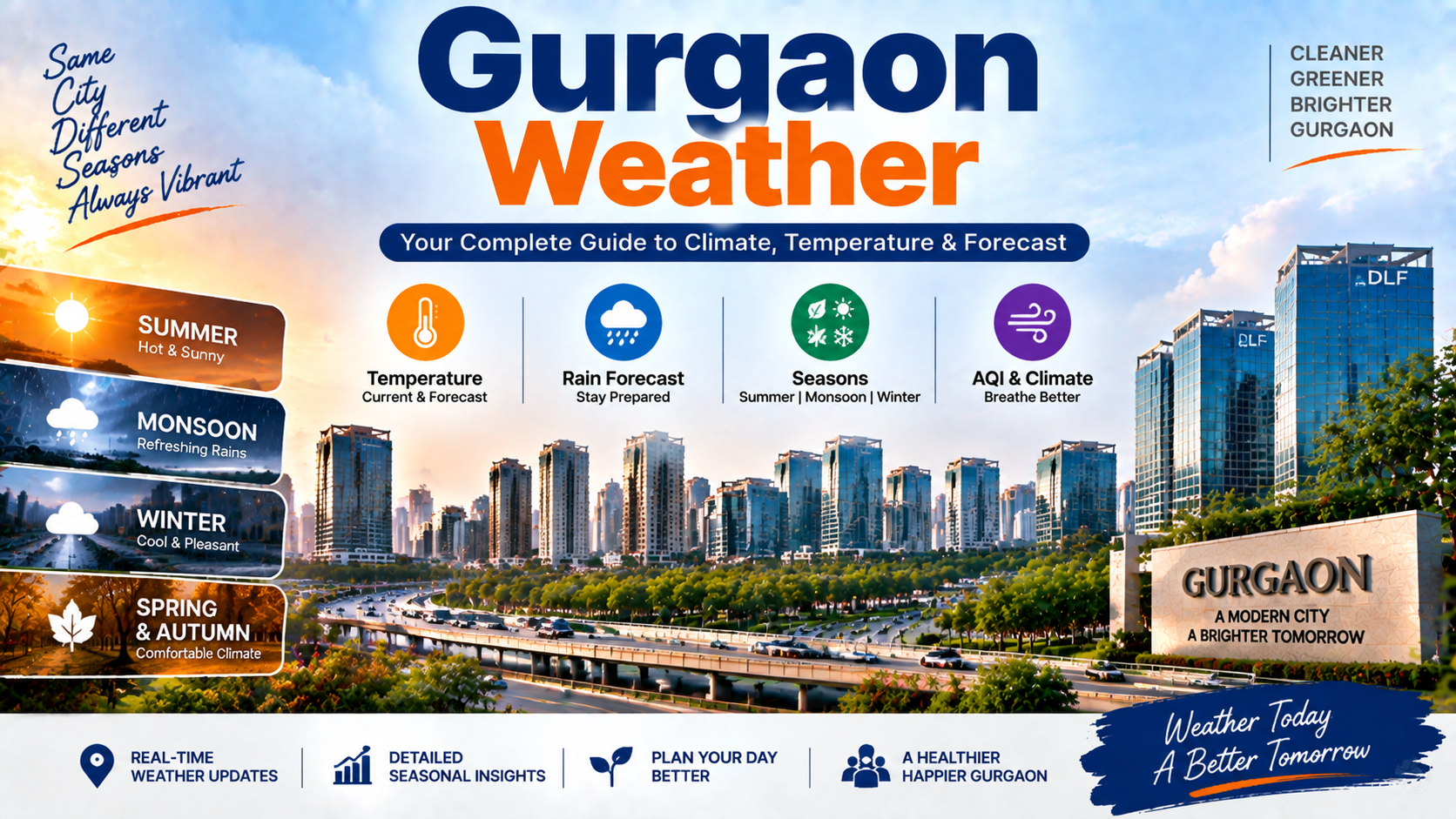
Weather plays an important role in daily life, especially in a fast-growing city like Gurgaon where people regularly travel for work, outdoor activities, and weekend plans. Before planning a visit, going for a morning walk, travelling across the city, or arranging outdoor events, knowing the weather conditions can make a big difference.
Gurgaon experiences a typical North Indian climate with extremely hot summers, monsoon rainfall, pleasant winters, and noticeable seasonal changes throughout the year. The weather can change significantly between months, which is why residents and visitors often check temperature, rainfall, and air quality before making plans.
I have noticed that many people searching for Gurgaon weather are not only looking for temperature updates. They also want to know the best time to visit, how summers feel, whether winters are comfortable, and how weather affects travel around the city.
This guide covers Gurgaon weather patterns, seasonal conditions, temperature ranges, rainfall, air quality impact, and practical tips for residents and travellers.
If you are planning to explore different parts of the city, you can also check our Gurgaon City Guide for information about important areas, attractions, and local experiences.
Overview of Gurgaon Climate
Gurgaon has a semi-arid climate, which means the city experiences hot summers with relatively dry conditions and cooler winters.
The city experiences four main seasons:
- Summer
- Monsoon
- Autumn
- Winter
Each season brings different weather conditions that affect travel, lifestyle, and outdoor activities.
Gurgaon Temperature Throughout the Year
The temperature in Gurgaon changes significantly between summer and winter.
Summer Season
Summer usually begins around March and continues until June.
During peak summer months:
- Day temperatures can become very high
- Afternoon heat can be uncomfortable
- Outdoor activities become difficult during peak hours
May and June are generally among the hottest months.
Common summer conditions include:
- Hot winds
- Dry weather
- Strong sunlight
Monsoon Season
The monsoon season generally arrives around July and continues until September.
During monsoon:
- Temperature becomes lower
- Humidity increases
- Rainfall improves greenery
Rain can provide relief from summer heat, but heavy rainfall may sometimes affect traffic and travel.
Winter Season
Winter usually starts around November and continues until February.
Gurgaon winters are known for:
- Cool mornings
- Pleasant afternoons
- Lower temperatures
December and January are generally the coldest months.
Winter is considered one of the most comfortable periods for outdoor activities.
Best Time to Visit Gurgaon
The best time to visit Gurgaon depends on what type of experience you want.
October to March
This period is generally considered the most comfortable for visitors.
Advantages:
- Pleasant weather
- Better outdoor conditions
- Comfortable sightseeing
During this time, visitors can explore attractions listed in our Places to Visit in Gurgaon guide more comfortably.
April to June
Summer can be challenging because of high temperatures.
If visiting during this period:
- Plan outdoor activities early morning
- Carry water
- Avoid afternoon travel
July to September
Monsoon brings greenery and cooler temperatures, but rainfall can affect travel schedules.
Gurgaon Weather and Air Quality
Weather and air quality are closely connected, especially during winter months.
Gurgaon, like many cities in the Delhi NCR region, experiences air quality challenges during certain periods.
Factors affecting air quality include:
- Weather conditions
- Vehicle emissions
- Construction activity
- Regional pollution sources
People sensitive to air quality often check AQI levels before planning outdoor activities.
You can also follow our detailed Gurgaon AQI guide for more information about air quality conditions.
Gurgaon Weather by Month
January
Weather:
- Cold mornings
- Pleasant afternoons
- Foggy conditions possible
Best activities:
- Outdoor sightseeing
- Walking
- Exploring parks
February
Weather:
- Comfortable temperatures
- Better outdoor conditions
This is one of the pleasant months for exploring Gurgaon.
March
Weather starts becoming warmer.
Suitable for:
- Short trips
- Outdoor activities
April
Temperature begins rising significantly.
Afternoon outdoor activities may become uncomfortable.
May and June
These are usually the hottest months.
Tips:
- Stay hydrated
- Avoid direct sunlight
- Plan activities carefully
July and August
Monsoon brings:
- Rainfall
- Humidity
- Green surroundings
Traffic delays may occur during heavy rain.
September
Weather gradually becomes more comfortable.
October
One of the best months for outdoor activities.
November and December
Cooler temperatures make these months suitable for:
- Travel
- Sightseeing
- Outdoor events
Gurgaon Weather and Daily Travel
Weather affects daily movement across Gurgaon.
Summer Travel
During hot months:
- Metro becomes more comfortable
- Afternoon traffic can feel difficult
- Outdoor waiting should be avoided
Visitors using public transport can check the Gurgaon Metro Route for easier travel planning.
Monsoon Travel
Rain can affect:
- Road conditions
- Traffic speed
- Travel time
Always keep extra travel time during heavy rainfall.
Winter Travel
Winter mornings may experience:
- Fog
- Reduced visibility
Plan longer journeys accordingly.
Gurgaon Weather for Outdoor Activities
Weather plays an important role when planning activities.
Parks and Nature Visits
Winter and early spring are ideal for outdoor locations.
Places like Aravali areas become more enjoyable during pleasant weather.
You can explore our Aravali Hills Gurgaon guide for nature-related activities.
Restaurants and Cafes
Weather also affects outdoor dining experiences.
During pleasant months, many people prefer cafes and restaurants with outdoor seating.
You can explore Best Cafes in Gurgaon for popular food spots.
Water Parks
Summer is the most popular season for water parks.
Visitors planning summer activities can explore our Water Parks in Gurgaon guide.
Tips to Handle Gurgaon Weather
During Summer
Follow these tips:
- Drink enough water
- Use sunscreen
- Wear light clothing
- Avoid unnecessary afternoon travel
During Winter
Useful tips:
- Carry warm clothing
- Check fog conditions
- Plan morning travel carefully
During Monsoon
Remember:
- Carry rain protection
- Check traffic conditions
- Avoid waterlogged routes
Common Weather Mistakes Visitors Make
Ignoring Seasonal Conditions
Planning outdoor activities without checking weather can affect the experience.
Underestimating Summer Heat
Gurgaon summers can be much hotter than expected.
Not Checking Air Quality
During winter, checking AQI can be useful before outdoor plans.
Frequently Asked Questions
What is the climate of Gurgaon?
Gurgaon has a semi-arid climate with hot summers, monsoon rainfall, and cool winters.
Which month is best to visit Gurgaon?
October to March is generally considered the most comfortable period for visiting Gurgaon.
Does Gurgaon receive heavy rainfall?
Gurgaon receives monsoon rainfall between July and September, with occasional heavy showers.
Is Gurgaon colder than Delhi in winter?
Both cities experience similar North Indian winter conditions, although temperatures can vary depending on local conditions.
Which are the hottest months in Gurgaon?
May and June are usually among the hottest months of the year.
Final Thoughts
Understanding Gurgaon weather makes daily life and travel planning much easier. The city experiences different conditions throughout the year, from intense summer heat to comfortable winter days.
Whether you are a resident, office commuter, or visitor, checking temperature, rainfall, and air quality before making plans can help you enjoy Gurgaon more comfortably.
With proper planning, every season in Gurgaon offers something different, from winter sightseeing to monsoon greenery and summer water activities.